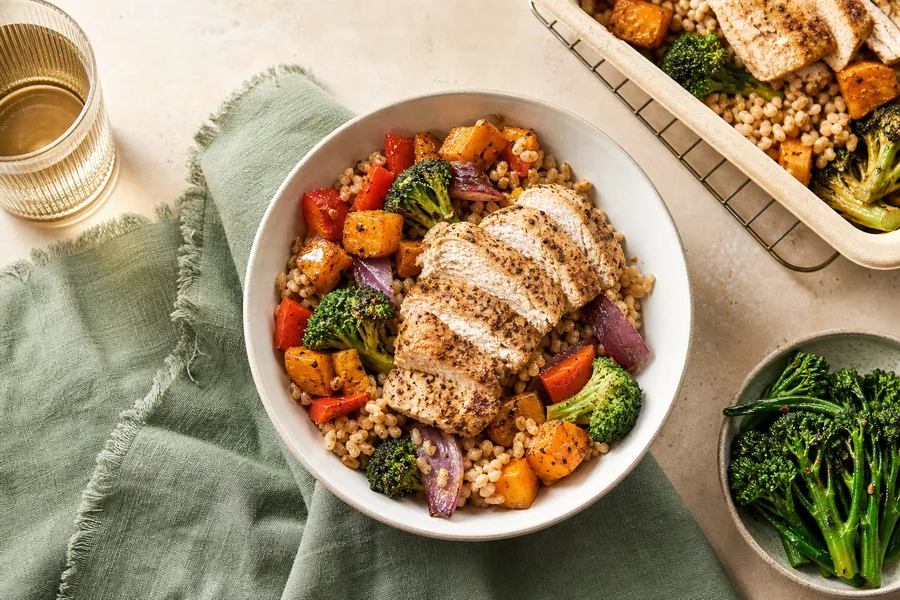
The best frozen meals for weight loss are not necessarily the boxes with the largest diet claim or smallest calorie number. A useful frozen meal should provide meaningful nutrition, fit your appetite, taste good enough to eat, and remain affordable enough to keep on hand.
Frozen meals can reduce preparation and food waste. They also vary widely in portion, ingredients, sodium, protein, fiber, and price. A short label routine makes comparison easier.
Step one: check the serving size
Start at the top of the Nutrition Facts label. Confirm the serving size and servings per container. A package that looks like one entree may contain more than one listed serving.
The label serving is a standardized reference, not a personal instruction. You may need the full package, part of it, or a side depending on your needs.
Step two: find the protein source
Look for a recognizable protein anchor such as chicken, fish, turkey, eggs, tofu, beans, lentils, or dairy. Check the protein line, but do not use it alone to rank the meal.
A moderate-protein meal with vegetables, grains, and a satisfying sauce may be more useful than a high-protein product you dislike or cannot afford.
Step three: look for fiber-rich ingredients
Beans, lentils, whole grains, vegetables, and some fruits can contribute fiber. Check both the ingredient list and the fiber line.
Fiber needs and tolerance vary. If you are increasing fiber, gradual changes may feel more comfortable. Follow individual guidance for gastrointestinal conditions.
Step four: compare sodium in context
Frozen meal sodium ranges widely. Compare similar products rather than expecting every entree to meet one arbitrary cutoff. Consider the rest of your day and any limit prescribed by your clinician.
Adding plain frozen vegetables can expand the meal without adding much sodium. Sauces, cheese, and processed meats often contribute more, but the label shows the total.
Step five: judge the real portion
Look at the package image, container size, and weight, but expect marketing photography to differ from the heated meal. Think about whether the portion is enough for your next few hours.
If the meal is small, plan a side. If it is large, divide it after cooking only when storage and reheating instructions support that approach.
Eight frozen meal formats to compare
- Grain and bean bowls
- Chicken and vegetable bowls
- Fish with grains or potatoes
- Lentil or bean curries
- Tofu and vegetable stir-fries
- Pasta with protein and vegetables
- Burritos or enchilada-style meals
- Soups or stews paired with a side
Formats matter because they suggest what may be missing. Soup may need bread or yogurt. A pasta entree may benefit from vegetables. A burrito may pair well with fruit or salad.
Add sides without overcomplicating dinner
Keep three easy sides: frozen vegetables, fruit, and yogurt or another protein option. Other choices include soup, whole-grain bread, beans, or a simple salad.
The side is not a correction for eating frozen food. It is simply a way to build the meal you need.
Compare price per useful meal
Check unit price and watch for sales, but account for whether the entree requires extras. A cheaper box plus several sides may cost more than a substantial meal.
Store brands can offer value. Stock up only on meals you have tried and have room to store. Variety packs are not useful if half the flavors remain uneaten.
Follow food-safety directions
Keep meals frozen until use unless the package says otherwise. Follow cooking instructions, including standing time and temperature guidance. Do not rely on appearance alone to confirm safe heating.
If a package is damaged, thawed unexpectedly, or outside its safe storage conditions, follow official food-safety guidance or contact the manufacturer.
Avoid marketing shortcuts
Terms such as light, protein-packed, or weight-loss friendly do not tell you whether a meal fits your needs. Read the label and ingredients. Consider taste, portion, cost, and how the meal fits the week.
A frozen meal is a convenience product, not a guarantee of weight loss. Results depend on the broader pattern and individual factors.
Sources and further reading
This guide offers general comparison criteria and does not endorse a frozen meal for individual medical needs.